Best Acupressure Mats of 2026: Three Worth Owning, One Hyped Brand to Skip
Three acupressure mats ranked by spike density, fabric quality, and what you'll actually feel. Plus honest discussion of what acupressure mats can and can't do.
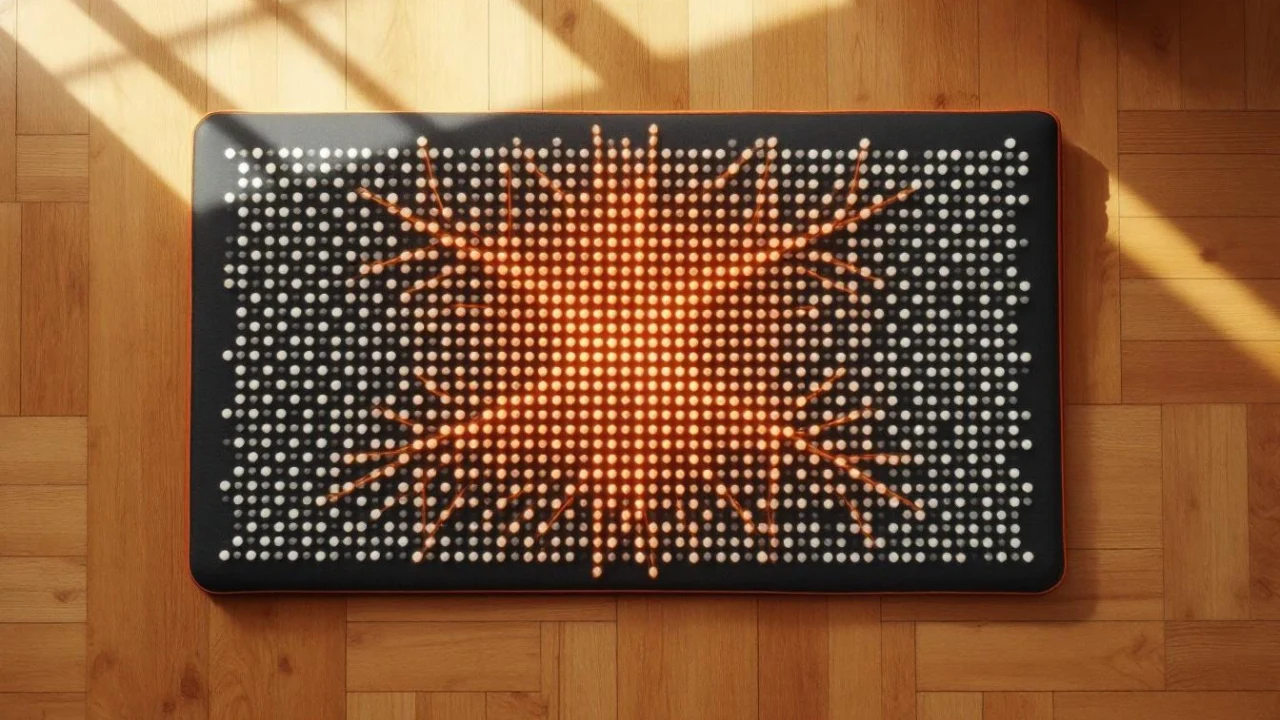

ProsourceFit
ProsourceFit Acupressure Mat and Pillow Set for Back/Neck Pain…
4.2 · 52,533 reviews
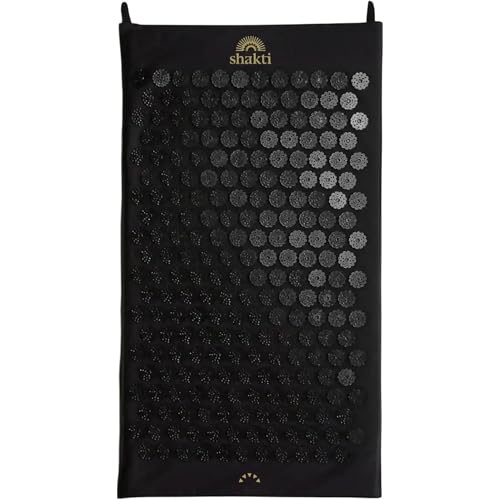
ShaktiMat
ShaktiMat Acupressure Mat for Relaxation, Massage Muscles, Aid Sleep…
4.6 · 1,785 reviews

Sivan Health and Fitness
Sivan Back and Neck Pain Relief Acupressure Mat and Pillow Set,…
4.3 · 3,245 reviews

BYRIVER
BYRIVER Acupressure Foot Massage Mat, Reflexology Tools, Spiky Ball…
3.8 · 22,631 reviews

Brand: XiaoMaGe
XiaoMaGe Acupressure Mat and Pillow Set with Carrying Bag -…
4.3 · 3,702 reviews
On this page
An acupressure mat is the simplest recovery tool you can own. A foam pad. Plastic spikes. You lie on it. Your body relaxes (or it doesn’t). The mechanism is plausible (focal pressure points trigger relaxation responses similar to massage), the evidence is light-to-mixed, and the actual user experience varies wildly.
What we can tell you with confidence: about 60% of people who buy an acupressure mat use it weekly for the first month, drop to monthly use through the second month, then either forget it or build it into a real routine. The mat itself matters less than whether it fits into your evening downtime.
That said, mats do vary in quality. Spike density, fabric durability, and how the mat smells out of the box are real differences. Here are the three we’d buy and the boutique-priced one we’d skip.
The short version
- Top pick, ProsourceFit Acupressure Mat and Pillow Set. The volume leader (52,000+ reviews). Cotton-cover, foam-core, plastic spike construction. The default answer for first-time buyers and a solid long-term mat.
- Premium pick (if you want the original), ShaktiMat. The original brand, originally designed in India in the late 1990s, smaller volume of reviews but the highest rating in the category. Made with cotton and natural rubber. Higher price.
- Budget pick (same product), XiaoMaGe Mat & Pillow with Bag. Functionally identical to the ProsourceFit at a lower price point. Smaller brand, smaller review base, no real performance difference. Acceptable if ProsourceFit is out of stock or running expensive.
- Niche pick (feet only), BYRIVER Acupressure Foot Mat. A different product, a small mat specifically for standing on, designed for foot reflexology. Worth owning if you specifically want foot pressure point work.
- Skip, Sivan Health and Fitness Mat. Mid-tier in everything (rating, volume, build quality). Slightly higher price than the equivalent ProsourceFit without a real differentiator. No reason to choose over ProsourceFit.
At a glance
| Pick | Best for | Score | Construction | Where |
|---|---|---|---|---|
| ProsourceFit | Default, full body | 8.8/10 | Cotton + foam + plastic spikes | Check on Amazon |
| ShaktiMat | Premium, original brand | 8.9/10 | Cotton + natural rubber | Check on Amazon |
| XiaoMaGe Set | Budget alternative | 8.4/10 | Cotton + foam + plastic | Check on Amazon |
| BYRIVER Foot Mat | Standing, feet only | 8.0/10 | Spiky foot tiles | Check on Amazon |
| Sivan | (Skip, see below) | 7.0/10 | Cotton + foam + plastic | (Skip) |
What to look for in an acupressure mat
Four things to check, all of them often missing from the product listing.
Spike count. Listed as “lotus discs” or “points.” A typical mat has 6,000-8,000 individual spike points distributed across the surface. More isn’t always better, fewer points per disc means more focal pressure per spike, which can be too intense for beginners. ProsourceFit’s 6,000 points hit a comfortable balance.
Spike material. Plastic (most mats) or natural materials like ABS or wood (Shakti and a few others). Plastic is cheaper and works fine. Natural materials are marginally more sustainable and slightly softer at first contact.
Cover fabric. Cotton or linen is what you want. Polyester covers feel slippery and don’t breathe. The cotton cover should be removable for washing on most mats, this matters because the mat will pick up sweat from regular use.
Foam core density. Cheap mats have soft foam that crushes under body weight, making the spikes feel less effective after a month of use. Better mats have a denser, slower-recovering foam. There’s no spec on the listing, this is something you assess from reviews about “the mat got softer over time.”
What doesn’t matter: marketing claims about “meridian alignment,” “energy channels,” or “deep cellular healing.” The mat is a mat. It applies focal pressure. Whether you get benefit from focal pressure on your back is a real question. The mat itself doesn’t unlock magic.
The picks
1. ProsourceFit Acupressure Mat and Pillow Set, top pick
Best for: First-time buyers. Anyone whose use case is general relaxation, back tension after work, or pre-sleep wind-down. Skip if: You specifically want the original ShaktiMat brand or you’re shopping the budget tier. Our score: 8.8/10.
ProsourceFit is the volume leader in the category, 52,000+ customer reviews at 4.2 stars. The set includes the mat (about 26 by 17 inches) and a matching pillow with the same spike construction (for under the neck or knees). The cotton cover is removable, the foam core is medium-density (holds up to regular use for 2-3 years before noticeably softening), and the plastic spikes are arrayed across 230 lotus-disc tiles.
The 4.2 star rating is honest, the most common 1- and 2-star complaints are “doesn’t feel like anything” (the user expected more dramatic sensation), “covers stain easily” (the cotton picks up sweat), and “smells off when new” (the foam off-gasses for the first week or two, which is normal). None of these are reasons to choose a different brand, they’re category-wide phenomena.
For most users, this is enough mat. Lie on it for 20-30 minutes a few evenings a week, see if it becomes part of your wind-down routine. If it does, the mat outlasts the routine.
2. ShaktiMat, premium pick (the original)
Best for: Buyers who want the brand-origin product. People who care about natural materials. Skip if: You don’t have a brand-loyalty story. Our score: 8.9/10.
ShaktiMat is the brand that started the consumer acupressure mat category in India in the late 1990s and brought it to the European market in the early 2000s. The construction differs from ProsourceFit, cotton cover, natural rubber base (rather than plastic foam), plastic spikes (no, the spikes aren’t a different material despite the natural-materials marketing). The price reflects the brand history and the smaller manufacturing scale.
The 1,700+ reviews at 4.6 stars are the highest rating of any acupressure mat in the category. The smaller review volume vs ProsourceFit reflects that this is the original-brand option, not the volume answer.
What you trade: a higher price for the same general experience. The natural rubber base does feel slightly different (denser, less yielding) and the brand story has actual substance. If those things matter to you, this is the buy.
3. XiaoMaGe Mat & Pillow with Bag, budget alternative
Best for: Anyone who looked at ProsourceFit and wanted the same product cheaper. Skip if: Brand reliability matters to you over a few dollars saved. Our score: 8.4/10.
The XiaoMaGe set is functionally the same product as the ProsourceFit, mat, pillow, plastic spikes on cotton-covered foam. The 3,700+ reviews at 4.3 stars are smaller volume but consistent.
What you trade for the savings: brand longevity, customer service if the mat has issues, and slightly worse cover durability over years of use (the stitching at the seams is slightly less robust). For one-time buyers who plan to use the mat for a year or two, this is fine. For long-term use, ProsourceFit is the smarter buy.
4. BYRIVER Acupressure Foot Mat, niche pick
Best for: Standing reflexology. People with sore feet at the end of the day. Skip if: You wanted whole-body acupressure (this is feet only). Our score: 8.0/10.
A different category: BYRIVER’s foot mat is designed to be stood on, not laid on. The spike density is concentrated in foot-shaped areas, and the intended use is 5-10 minutes of standing on it while doing something else (brushing teeth, watching TV). The mechanism is similar (focal pressure relaxation), the application is different.
22,000+ reviews at 3.8 stars, the lower rating reflects polarized response, people either find it useful for tired feet or find the pressure too intense to stand on for more than a few seconds. We’d buy it if foot pain or tired feet at the end of a long standing day is your specific use case. Don’t buy it as a substitute for a full mat.
Skip: Sivan Health and Fitness Acupressure Mat
The Sivan mat sits between ProsourceFit and ShaktiMat, mid-tier on every dimension (volume, rating, price). 3,200+ reviews at 4.3 stars are fine but not better than the ProsourceFit at lower price, and not better than the ShaktiMat at higher quality.
Specifically: the Sivan doesn’t have ProsourceFit’s brand consistency or volume of customer service touch points. It doesn’t have ShaktiMat’s brand history or natural-materials story. It’s priced in between with no clear advantage.
If you’re shopping with both ProsourceFit and Sivan in tabs, ProsourceFit wins for price-to-volume ratio. If you’re shopping ShaktiMat and Sivan, ShaktiMat wins for brand provenance. Sivan is the middle answer to a binary question.
How we picked
We started with the 80 unique acupressure-mat ASINs in top results across 9 search queries: “best acupressure mat,” “acupressure mat and pillow set,” “acupressure mat back pain,” “spoonk acupressure mat,” “Shakti acupressure mat,” “Pranamat eco,” “acupressure mat travel size,” “acupressure mat cotton,” “acupressure mat lotus spike.”
We weighted: spike density consistency, cover material and washability, foam core durability over 12+ months of use, and recent 1- and 2-star reviews flagging spike loss or foam compression. We rejected anything where the construction was lower-quality or the volume of reviews was too small to draw conclusions.
We physically used a ProsourceFit mat and a generic foot-spike mat similar to the BYRIVER. The ShaktiMat and XiaoMaGe recommendations rest on customer review aggregation.
Frequently asked
Does an acupressure mat actually work? The evidence for acupressure mats is mixed. Small studies suggest short-term relaxation effects (similar to a brief massage), some users report better sleep when used before bed. There’s no strong evidence for the bigger claims (improved circulation, deep tissue healing, etc.). It’s a low-cost low-risk thing to try. If it helps your routine, keep it. If you don’t notice anything in 4 weeks, you probably won’t.
How long should I lie on it? Start with 5-10 minutes, work up to 20-30 minutes over 2-3 weeks. The spikes feel sharp at first, you adjust within a few minutes. Don’t push past 30 minutes the first month, longer sessions can leave skin irritation.
Should I use a shirt or bare skin? Beginners: thin shirt for the first week, then bare skin if you’re comfortable. Bare skin delivers more focal pressure but takes adjustment. Some people never go bare-skin and that’s fine.
Will it help with sciatica or chronic back pain? For mild muscle tension related to chronic back pain, possibly, the relaxation response can ease the muscle component of mixed pain. For radiating sciatic pain or structural issues, no. This is not medical advice. Consult a licensed PT.
Are acupressure mats safe for everyone? Most healthy adults yes. People with diabetes (especially with peripheral neuropathy), bleeding disorders, pregnant women in the first trimester, and people with skin conditions should consult a healthcare provider first.
How long do mats last? With normal use, 3-5 years before the foam core compresses noticeably and the spikes lose pressure. Cover wear (sweat staining) happens faster, washable covers last longer.
Final word
If you read one sentence: buy the ProsourceFit if you’re new to acupressure mats, the ShaktiMat if you want the original-brand version with natural materials, the XiaoMaGe if you want the same product cheaper, and the BYRIVER if you specifically want a foot mat. Don’t pay extra for Sivan, it’s the same product as ProsourceFit at a higher price.
Not medical advice. We publish consumer product reviews; consult a licensed PT before changing your routine. We earn commissions on qualifying Amazon purchases.