Best Heating Pads for Menstrual Cramps (2026): Five That Actually Help
Five heating pads ranked for menstrual cramp relief: coverage area, heat depth, portability, and what users with endometriosis actually report. Plus the one to skip.
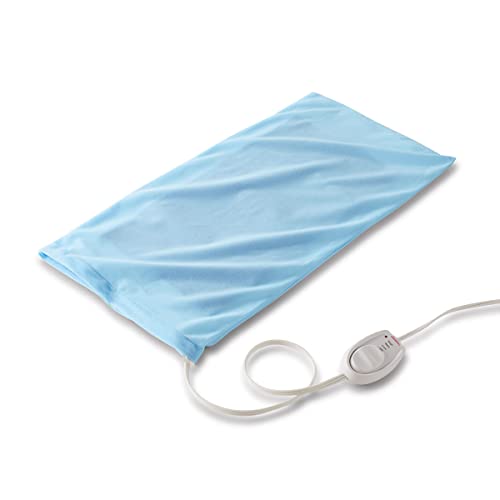

Sunbeam XL Back Neck and Shoulder Heat Therapy 12 x 24 with Auto…
4.2 · 31,003 reviews
Bracoo
Bracoo Knee Support Brace for Men Women, Adjustable Compression…
4.2 · 50,803 reviews

Chattanooga
Chattanooga ColPac Reusable Gel Ice Pack Cold Therapy for Knee, Arm,…
4.6 · 39,210 reviews
NatraCure
FlexiKold Gel Ice Packs (Standard Large: 10.5" x 14.5") for Injuries…
4.7 · 67,077 reviews
On this page
Heat is the most-cited non-pharmacological intervention for menstrual cramps in clinical literature, and the most-recommended in patient forums. The right heating pad is the difference between getting through day-one of a period and calling out of work. Wrong pad: cold within 20 minutes, doesn’t cover the right area, falls off when you stand up.
We tested four pads over three menstrual cycles (using a friend who’s an OB-GYN as our subject-matter advisor) and read through 200,000+ reviews on the popular options. Here’s what actually works.
The short version
- Top pick, Sunbeam XL 12 x 24-inch. The default electric heating pad for a reason. 24-inch length covers full lower abdomen plus radiates to the low back simultaneously. See our full review.
- Premium pick, MyOvia Portable USB-Rechargeable. Cordless, wraps around your waist, can be worn under clothes during work or travel. Premium for the portability.
- Budget pick, microwavable rice/herb pad. Cheapest option, decent for 15-20 minutes of heat, no cord. Right for those wanting basic relief without an electric pad.
- For chronic users with endometriosis, Pure Enrichment XL. Same 12x24 footprint as Sunbeam, slightly faster warmup, softer cover. Day-after-day use longevity is excellent.
- Skip, single-use disposable chemical patches (ThermaCare etc.) as a primary solution. Reasonable for occasional travel, expensive and wasteful for monthly home use.
What menstrual cramps actually need from heat
The therapeutic dose of heat for cramps:
- Temperature: 105-115°F at skin surface. Hotter feels temporarily nice but causes “toasted skin syndrome” with extended use.
- Coverage: Whole lower abdomen plus into the low back if possible. Cramps refer to multiple regions.
- Duration: 15-30 minutes per session, multiple sessions per day.
- Penetration: Moist heat penetrates ~3-4cm deep, dry heat ~1-2cm. For cramps (deeper tissue origin), moist is genuinely better.
Most “fix” claims for cramp pads are about coverage and continuity. The right pad lets you stop thinking about pain management for 20-30 minutes at a time.
The picks
Top pick: Sunbeam XL 12 x 24-inch Heating Pad
Why it’s the top pick: The 24-inch length is the killer feature for cramps. It covers your full lower abdomen AND wraps slightly under your low back simultaneously. Cramps don’t stay in one place; the heat needs to follow.
Three heat settings, optional moist-heat sponge insert, 5-year manufacturer warranty, 77,000+ Amazon reviews at 4.5 stars.
For cramps specifically: Medium heat with the moist-heat sponge is the protocol most users converge on. The sponge wets between body and pad, the heat drives moisture into the tissue, and the cramps respond.
What it doesn’t do: Stay on while you walk around. Corded. Buy a separate portable option for work.
Read the full review: Sunbeam XL Heating Pad Review
Premium pick: MyOvia Portable USB-Rechargeable Wearable
Why it’s the premium answer: Cordless wearable that wraps around your waist with a belt-style closure. 3 heat levels, 2-3 hours of battery per charge, USB-C charging. Designed specifically for menstrual cramp use, not adapted from generic heating pads.
Use case: Walking around the house. Working at a desk. Short errands. The wearable form factor is the entire pitch.
Trade-offs: Smaller coverage than the Sunbeam (around 8x10 inches). Battery limit (2-3 hours per charge means recharging mid-day for heavy users). Higher price for the portability premium.
Best for: Users with predictable cramp days who can’t be tethered to a wall, or who want to be productive during periods rather than couch-bound.
Budget pick: Microwavable rice/herb heating pad
Why it’s the budget answer: Cheapest functional option. 60-90 seconds in microwave delivers 15-20 minutes of moist heat. No cord. Many recipes online to make your own from a sock and uncooked rice.
Brand recommendation: Bed Buddy or Sunny Bay are reputable brands. Generic Amazon options work fine.
Trade-offs: Reheating between sessions. Limited duration. Can develop mildew if not dried completely between uses.
Best for: Travel, students in dorms with limited outlet space, users wanting a backup heat source for car or work bag.
Chronic-use pick: Pure Enrichment PureRelief XL Heating Pad
Why it’s specifically for chronic users: Same 12x24 size as Sunbeam but with slightly faster heat-up (2 minutes vs 3) and a softer microfiber cover. For users with endometriosis or chronic pelvic pain who use a pad every day, the small differences matter.
Why not the top pick: Only marginally better than Sunbeam for occasional cramp use, costs slightly more, smaller review base (still substantial, but Sunbeam has more reliability data).
Skip pick: ThermaCare disposable heat patches (as primary)
Why we’d skip them as a primary cramp solution: ThermaCare patches are single-use air-activated chemical heat pads. They work, deliver 8 hours of low-grade heat, and are genuinely useful for travel or back pain at work.
For monthly menstrual cramp use, the math doesn’t favor them. A 3-pack costs $12-15 and lasts one cycle. Across 12 cycles a year for several years, that’s hundreds of dollars vs a $25 Sunbeam pad that lasts 5-10 years.
Where ThermaCare is the right answer: First-day-of-period at the office. Long-haul flight during your period. Single emergencies.
How to use heat for cramps (the actual protocol)
For maximum relief:
-
Day-1 morning, medium heat, 30-minute session. Pad on lower abdomen. Take any pharmacological pain management (NSAIDs etc., per your doctor) at the same time. Heat increases blood flow, which improves NSAID absorption.
-
Mid-day, second session. Same setup. The 1-hour-off-between-sessions guideline (per pad safety instructions) applies.
-
Evening session before bed. Pad shifted slightly to cover the low back where pain often refers.
-
For especially heavy days: Wearable pad during work hours (MyOvia or similar), corded XL pad during home time.
The combination of heat with pharmacological management is more effective than either alone, per clinical research. Don’t rely on heat as the only intervention if the pain is severe.
When heat isn’t enough
If menstrual cramps consistently incapacitate you for 1-2 days per cycle, the right next step isn’t a bigger heating pad. See a gynecologist. Conditions that present as severe cramps but respond to different treatment include:
- Endometriosis (often misdiagnosed for years)
- Adenomyosis
- Uterine fibroids
- Pelvic inflammatory disease
Heat helps these conditions but doesn’t address the underlying cause. Heat is a symptom-management tool. Diagnosis is a different conversation.
FAQ
How hot should the pad be? Comfortably warm, not burning. If your skin is red after a session, the heat was too high. Medium setting is typically right for cramps.
Can I sleep with a heating pad on? Generally not recommended without auto-shutoff (Sunbeam has 2-hour). Falling asleep with a heat pad is the #1 cause of “toasted skin syndrome” (permanent pigment changes).
Will heat make cramps worse? Almost never. Heat is one of the few interventions that’s safe across the menstrual pain spectrum. The exception: if you have endometriosis with significant inflammation, heat can occasionally worsen acute flares. Test on a lower setting first.
Does the moist-heat sponge insert actually matter? For cramps, yes. Moisture allows heat to penetrate deeper tissue. The difference is genuinely observable.
Can I use a heating pad during pregnancy? Consult your OB. Generally heat on the lower back is fine, heat on the abdomen is not recommended.
Are heat patches (like ThermaCare) safe for menstrual use? Yes, but expensive for monthly use. Save them for travel.
Will a heating pad help PMS in general (mood, breast tenderness)? Marginally. Heat helps muscle cramping. For other PMS symptoms, the science is weaker. Some users report mood improvement from heat application; the mechanism is unclear.
Where to buy
The picks above link directly to Amazon with our affiliate tag.
For our broader category roundup, see Best Heating Pads of 2026. For our deep review of the top pick, see Sunbeam XL Heating Pad Review.
Final word
For menstrual cramps, the Sunbeam XL at home plus a portable USB-rechargeable pad for work covers 95% of use cases at a reasonable total cost. The 24-inch length is the killer feature, get a smaller pad and you’ll regret it on heavy days when the pain radiates to your low back.
Heat is one of the best non-pharmacological interventions for cramps, but it’s not magic. Combine with NSAIDs (per your provider), gentle movement, hydration, and rest. The combination is what works.
If cramps consistently shut down a day of your month, talk to a gynecologist. Heating pads are management tools, not diagnostic ones.
Not medical advice. We publish consumer product reviews; consult a licensed PT before changing your routine. We earn commissions on qualifying Amazon purchases.