Best Foam Rollers for Beginners (2026): Five Soft-Start Picks
Five foam rollers ranked for new users: softer density, gradual texture, length that won't intimidate, and which to avoid until you've built tolerance.
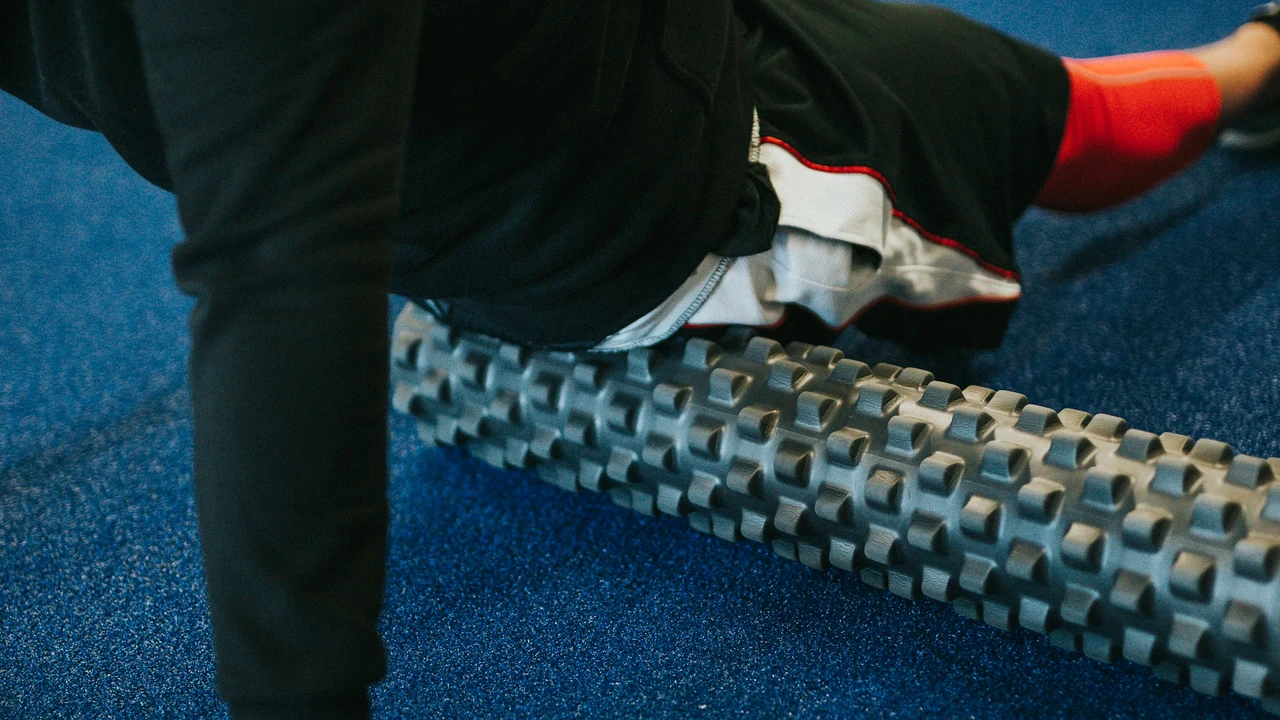

321 STRONG
321 Strong Foam Roller - Medium Density Deep Tissue Massager for…
4.5 · 41,965 reviews

321 STRONG
321 Strong Foam Roller - Medium Density Deep Tissue Massager for…
4.5 · 41,965 reviews

TRIGGERPOINT
TriggerPoint Grid 1.0 Foam Roller - 13" Multi-Density Massage Roller…
4.7 · 23,568 reviews
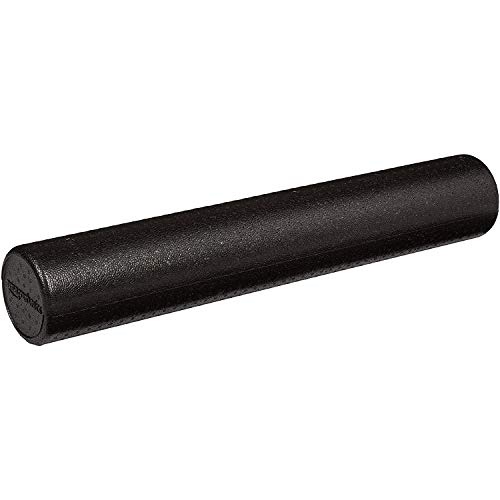
Amazon Basics
Amazon Basics High-Density Foam Roller for Exercise, Stretching and…
4.6 · 31,387 reviews
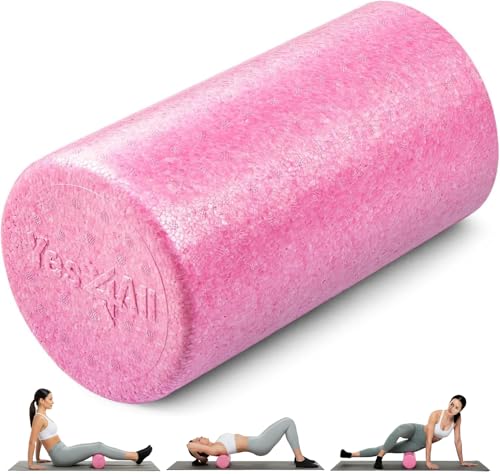
Yes4All
Yes4All High-Density EPP Round Back Roller Foam, Exercise Foam…
4.5 · 31,646 reviews
On this page
Most “best foam roller” lists recommend the TriggerPoint Grid 1.0 to everyone. For experienced users, that’s right. For beginners, the Grid’s medium-firm density and textured surface can feel painful enough to discourage continued use. We’ve watched plenty of new users buy the Grid, try it twice, decide foam rolling “isn’t for them,” and stash the roller in a closet.
The fix is starting with a softer roller, building tolerance, then upgrading. Same logic as starting with a 5-lb dumbbell before a 25-lb one.
The short version
- Top pick, AmazonBasics High-Density Round Foam Roller (smooth). Smooth surface, medium density, 36-inch length. The gentlest serious roller, also the most versatile for full-body exercises beyond rolling.
- Budget pick, 321 STRONG Foam Roller (textured). Slightly firmer than smooth rollers, but less aggressive than the Grid. The right step-up from a smooth roller after 2-3 weeks of use.
- Step-up pick, TriggerPoint Grid 1.0. The eventual destination after building tolerance. See our full review.
- For sensitive users, OPTP Pro-Roller (soft density). Specifically labeled “soft,” used in clinical settings for first-time rollers. Pricier but worth it for very tight users.
- Skip, the RumbleRoller for beginners. Spike-pattern surface, aggressive enough to leave bruises on new users. This is an advanced product, not a starter.
Why beginners hurt themselves with foam rolling
Three patterns lead to bad first experiences with foam rolling:
-
Wrong density. Medium-firm rollers (Grid, RumbleRoller) feel painful on tight tissue. Pain signals you to stop, which means you don’t roll long enough for benefit.
-
Too much body weight too soon. Lying flat with full weight on a roller is the “advanced” version. Beginners should support most of their weight with their non-rolling leg or arm.
-
Rolling for too long. First sessions should be 30-60 seconds per area, not 2-3 minutes. The tissue needs to adapt.
The right beginner roller, used with the right technique, builds tolerance over 2-3 weeks. After that, you can graduate to denser rollers and longer sessions.
The picks
Top pick: AmazonBasics High-Density Round Foam Roller (smooth, 36-inch)
Why it’s the right starter: Smooth surface (no texture), medium density (not too soft to be useless, not so firm to be painful), 36-inch length (long enough to lie back on lengthwise for upper-back work).
For whom: Anyone whose first time touching a foam roller is this one. Returning rollers after a long break. People who’ve tried foam rolling, hated it, and want to try again with the right starter.
Trade-offs: No texture means no trigger-point focus. Once you’ve built tolerance (2-3 weeks), you’ll want to step up to a textured roller for the deeper benefits.
Budget pick: 321 STRONG Foam Roller (medium-textured)
Why it’s the budget step-up: Same general 13-inch length as the Grid, similar weight, but a milder texture pattern that’s friendlier to new users. Costs about two-thirds of the Grid.
For whom: Users who’ve graduated from smooth rollers and want texture, but want to ease into it. Budget-conscious users who don’t want to spend Grid prices.
Trade-offs: Less durable than the Grid over years of heavy use. For occasional use (2-3 sessions/week), the durability difference doesn’t matter.
Step-up pick: TriggerPoint Grid 1.0
Why it’s the eventual destination: The Grid is what most experienced rollers actually use. Multi-density texture pattern, 13-inch length, hollow ABS core for travel-friendly weight. The reason we said “buy this eventually” rather than “buy this now” is the texture aggression for first-time users.
When to upgrade to the Grid: After 2-3 weeks of consistent rolling with a smoother roller. Once you can comfortably do 60-second passes on quads, lats, and IT band without flinching.
Read the full review: TriggerPoint Grid 1.0 Foam Roller Review
For sensitive users: OPTP Pro-Roller (soft density)
Why specifically for sensitive users: OPTP makes rollers in three density grades, soft, medium, and firm. The “soft” grade is specifically designed for first-time rollers, post-surgical recovery, or users with significant muscle tightness.
OPTP is a clinical brand (used in PT offices for patient education). Price reflects the clinical-grade positioning.
For whom: Users with diagnosed fibromyalgia or chronic widespread pain. Post-surgical patients in early-stage recovery. Older adults starting foam rolling for the first time. Users who’ve tried other rollers and felt them too aggressive.
Trade-offs: Costs noticeably more than AmazonBasics for similar density. The brand premium is real.
Skip pick: RumbleRoller for beginners
Why we’re skipping it as a beginner pick: The RumbleRoller’s surface uses raised flexible spikes, designed for aggressive trigger-point work. For experienced rollers, this is great. For beginners, it can leave bruises and create avoidance behavior.
When to consider the RumbleRoller: After 6+ months of consistent rolling with the Grid. When you find the Grid no longer feels intense enough. As a specialty tool for deep glute and lat work that the Grid can’t reach.
How to actually use a roller as a beginner
For the first 2 weeks, follow this protocol:
Week 1
- 3 sessions, 5-10 minutes each
- Areas: Quads (lying face down), lats (lying on your side), upper back (lying on your back, knees bent)
- Pressure: Support most of your body weight with your hands and non-rolling leg
- Duration per area: 30-60 seconds, slow passes
- Goal: Familiarity with the sensation, not maximum pressure
Week 2
- 3-4 sessions, 10-15 minutes each
- Areas: Add IT band (lying on your side, supporting weight), calves (sitting on the floor)
- Pressure: Slowly increase by lifting your supporting hands/legs a bit more
- Duration: 60-90 seconds per area
Week 3+
- 4-5 sessions, 15-20 minutes
- Add: Glutes (sitting on the roller), pec major (lying face down with arm extended), TFL (lying on your side, partial weight)
- Pressure: Approaching full body weight on areas that feel comfortable; still supported for sensitive areas
- Optional: Upgrade to a denser roller (Grid 1.0 or 321 STRONG)
What to avoid as a beginner
Don’t roll directly on the spine. The bony spinous processes don’t respond to rolling and can cause sharp pain. Roll the muscles to either side of the spine instead.
Don’t roll directly on the lower back. The lumbar spine’s bony anatomy and the kidney’s location both make this risky. Roll the muscles around the lower back (glutes, quadratus lumborum) instead.
Don’t roll directly on the front of the hip or the knee joint. Bony and tendinous structures don’t tolerate compression well. Roll the muscles around the joints.
Don’t roll during an acute injury phase. The first 48-72 hours after a muscle strain or tendon injury is for ice, rest, and elevation, not rolling.
Don’t roll for more than 90 seconds in one spot. Extended pressure causes tissue irritation rather than additional benefit.
Signs you’re rolling too aggressively
- Bruising the day after rolling
- Sharp pain (not deep ache) during rolling
- Tissue that feels worse the next day
- Avoidance of certain areas after a single bad experience
If any of these happen, step back to a softer roller, reduce body weight on the roller, and shorten the time per area.
When to combine roller with other tools
Foam rolling is one tool. The complementary tools that beginners often want:
- Massage balls (lacrosse ball, peanut ball) for targeted trigger-point work the roller can’t reach
- Massage gun for percussion at higher frequency than rolling delivers
- Stretch strap for ROM work after rolling
You don’t need all of these at once. Add as your rolling habit becomes established.
FAQ
How long before foam rolling stops feeling painful? 2-3 weeks of consistent use. After that, the tissue adapts and you can apply more pressure or use a denser roller without flinching.
Should I roll before or after exercise? Both work; the research is mixed. Light rolling before exercise (5 minutes, slow passes) can improve range of motion for the workout. More substantial rolling after exercise (10-15 minutes) addresses post-workout tightness.
Will foam rolling fix my muscle knots? Sometimes. Foam rolling reduces muscle tension and improves perceived flexibility. Whether actual “knots” (myofascial trigger points) respond depends on their cause. Combined with strengthening and stretching, rolling can help. As a standalone, results are variable.
How long does a good foam roller last? EVA-foam rollers (Grid, OPTP) last 5+ years with regular use. Cheap polyethylene rollers (some budget options) lose shape within months. Worth paying for the EVA construction.
Can I share a roller? Yes. Wipe with mild soap and water between users. Don’t share rollers with someone who has a contagious skin condition.
What’s the difference between a foam roller and a massage stick? Roller = you roll your body weight onto it. Stick = you push it onto a specific muscle by hand. Both have a place. Sticks are better for calves and forearms; rollers are better for back, quads, and large muscle groups.
Where to buy
The picks above link directly to Amazon with our affiliate tag.
For our main category roundup, see Best Foam Rollers of 2026. For the deep review of the eventual upgrade, see TriggerPoint Grid 1.0 Review.
Final word
For beginners, the AmazonBasics smooth roller is the right starting point. Build tolerance for 2-3 weeks. Upgrade to a textured roller (321 STRONG or TriggerPoint Grid) once you can roll without flinching.
The cost of starting wrong (with the Grid as your first roller) is often years of avoidance. The cost of starting right (with a softer roller) is a $15-25 starter that you’ll use for the rest of your life or pass on to a less-experienced friend.
Foam rolling has real benefits. Most people who quit didn’t quit because rolling doesn’t work, they quit because their first roller hurt too much. Don’t be that person.
Not medical advice. We publish consumer product reviews; consult a licensed PT before changing your routine. We earn commissions on qualifying Amazon purchases.