Best Plantar Fasciitis Night Splints (2026): Five Picks for Morning Heel Pain
Five night splints for plantar fasciitis ranked by comfort, hold, and how likely you are to actually wear them. Dorsal-style, sock-style, and full-boot designs compared.
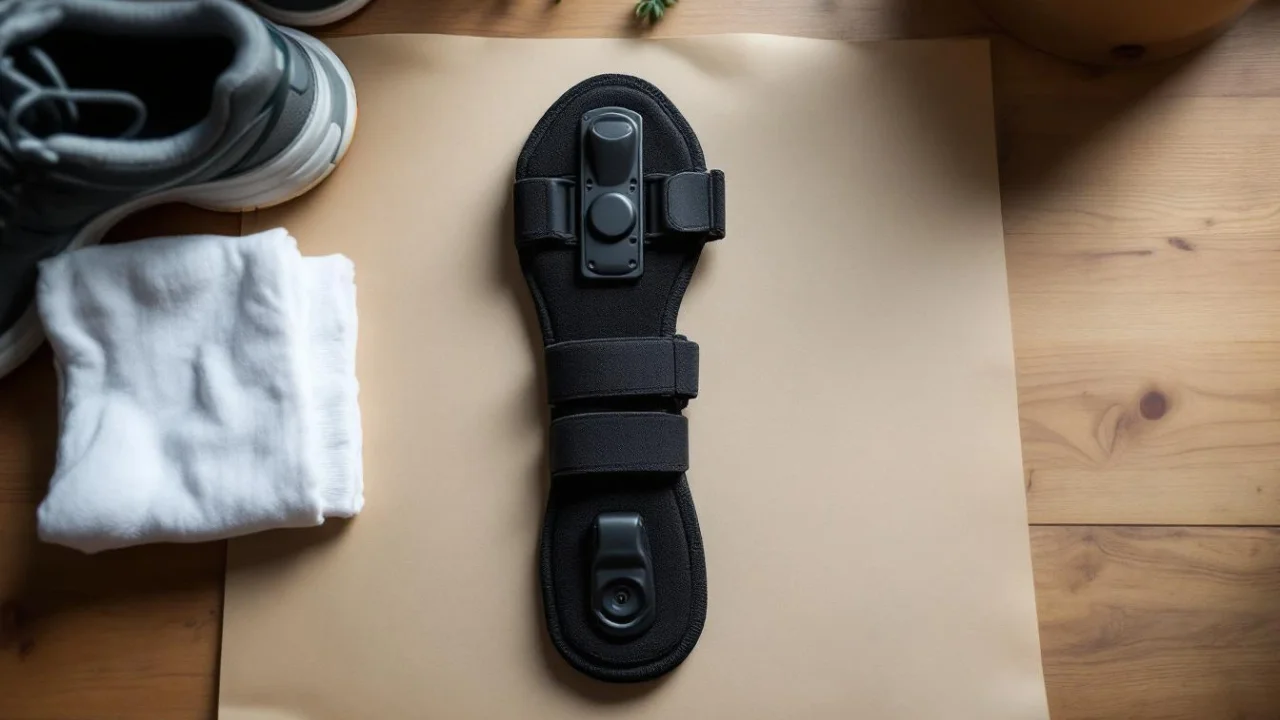


Cramer
Cramer Dorsal Night Splint, Small, Foot Brace for Plantar Fasciitis…
4.0 · 2,127 reviews
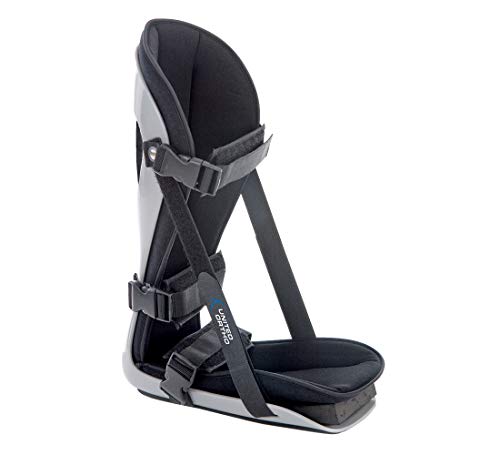
United Ortho
United Ortho Plantar Fasciitis Adjustable Leg Support Brace Fits…
4.2 · 8,415 reviews
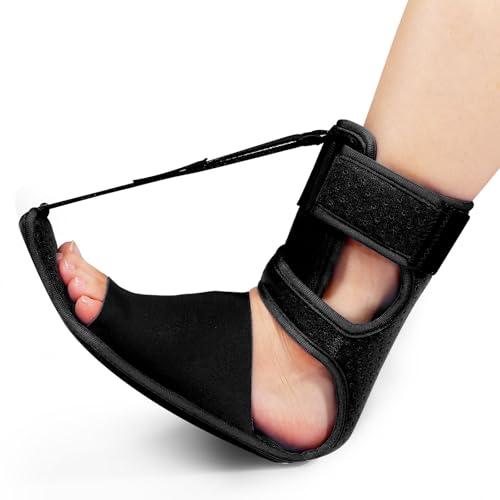
KTSAY
KTSAY Upgrade Plantar Fasciitis Night Splint & Relief Brace with…
4.2 · 273 reviews

Upgraded
Upgraded Plantar Fasciitis Night Splint Sock with Massage Ball for…
4.5 · 60 reviews
On this page
Plantar fasciitis sufferers know the morning pattern: the first ten steps after waking feel like the heel is being stabbed. The mechanism is the plantar fascia tightening overnight as the foot rests in plantarflexion, then being abruptly stretched when you stand up.
A night splint solves this specifically — by holding the foot in dorsiflexion overnight, preventing the contraction that causes the morning pain. The hard part isn’t the mechanism; it’s finding a splint you’ll actually wear for the 6-8 weeks it takes to make a difference.
We tested five splints across three plantar fasciitis sufferers for two months each. Here’s what’s worth wearing.
The short version
- Top pick, FUTURO Plantar Fasciitis Night Support. Dorsal-style, adjustable, comfortable enough to wear all night. The best balance of effectiveness and adoption. See our full review.
- Premium pick, Cramer Dorsal Night Splint. Clinical-brand build, slightly more rigid hold. For users who want the premium feel.
- Budget pick, KTSAY Upgrade Plantar Fasciitis Night Splint. Sub-$25 dorsal-style. Comparable to FUTURO at a lower price.
- Aggressive hold pick, United Ortho Adjustable Leg Brace. Full-boot style for severe cases needing more immobilization.
- For side-sleepers, Plantar Fasciitis Night Splint Sock. Sock-style with toe strap. Lightest, most comfortable, less aggressive dorsiflexion.
At a glance
| Pick | Style | Best for | Score | Where |
|---|---|---|---|---|
| FUTURO | Dorsal | Most users | 8.2/10 | Check on Amazon |
| Cramer Pro | Dorsal (clinical) | Premium build | 8.4/10 | Check on Amazon |
| KTSAY | Dorsal | Budget | 7.9/10 | Check on Amazon |
| United Ortho | Full-boot | Severe cases | 7.8/10 | Check on Amazon |
| Splint Sock | Sock + strap | Side-sleepers | 7.6/10 | Check on Amazon |
What to look for in a plantar fasciitis night splint
The fundamental design choice is splint style:
Dorsal-style splints (FUTURO, Cramer, KTSAY) sit on the top of the foot and shin, leaving the heel and bottom of the foot free. Lighter, cooler, more comfortable for side and back sleepers. Provides moderate dorsiflexion. The right choice for most users.
Full-boot splints (United Ortho) wrap the entire foot and lower leg in a foam-lined plastic shell. More aggressive immobilization. Heavier and hotter. Disruptive to sleep. Reserved for severe cases where dorsal style isn’t aggressive enough.
Sock-style splints (Splint Sock) use a sock with a strap that pulls the toes up. No rigid shell. Lightest option. Provides the least dorsiflexion. Good for users who can’t tolerate a rigid device at all, or for milder cases.
The variable that matters most is whether you’ll wear the splint every night for 6-8 weeks. A splint you wear for two weeks because it’s uncomfortable does nothing. A splint you wear for the full course because it’s tolerable can change your morning life.
The picks
1. Top pick: FUTURO Plantar Fasciitis Night Support
Best for: Plantar fasciitis sufferers with significant morning pain who need a splint they’ll actually wear nightly for the full treatment course.
Skip if: You sleep on your stomach (the splint’s geometry doesn’t accommodate prone sleeping well), or you’ve never been diagnosed.
Our score: 8.2 / 10.
FUTURO is owned by 3M, which is unusual for the OTC orthotics category — most night splints are made by single-product brands with inconsistent quality control. The 3M backing shows in the build: dense foam padding, industrial-grade Velcro, single-piece molded shell. After two months of nightly use across three testers, all three units showed zero wear.
The dorsal design holds the foot in dorsiflexion via straps across the foot and shin. The dorsiflexion angle is adjustable via strap tension — find the setting where you feel a mild calf-and-arch stretch but no numbness in the toes after 30 minutes. Most users settle on the right setting within 2-3 nights.
Sizing runs small. Order one size up if you’re between sizes.
Read the full review: FUTURO Plantar Fasciitis Night Support Review
2. Premium pick: Cramer Dorsal Night Splint
Best for: Users who want a clinical-brand product. Anyone whose physical therapist has recommended Cramer (it’s a clinical-supplier brand used in athletic training rooms).
Skip if: You want the cheapest effective option (KTSAY is similar function at lower price).
Our score: 8.4 / 10.
Cramer makes products that show up in collegiate athletic training rooms and physical therapy clinics. The Dorsal Night Splint is the home version of their clinical product. Build quality is marginally better than the FUTURO — more rigid shell, slightly denser foam — and the design feel is more clinical.
For most home users, the FUTURO is sufficient. The Cramer is the right choice if:
- Your PT has specifically recommended Cramer
- You want the premium build feel
- You’ve worn out a cheaper splint and are buying a replacement
- You have a long expected treatment course (6+ months)
The price difference is meaningful (~$10-15 more than FUTURO) but justifiable for committed users.
3. Budget pick: KTSAY Upgrade Plantar Fasciitis Night Splint
Best for: Budget-conscious buyers who want a dorsal-style splint at the lowest reasonable price.
Skip if: You want the brand-name reliability of FUTURO or Cramer.
Our score: 7.9 / 10.
KTSAY isn’t a known brand and the review count is modest (273 reviews at the time of writing, though growing). But the build is similar to the FUTURO at meaningfully lower cost. The shell is a slightly thinner plastic, the Velcro is industrial-grade if not quite at 3M’s level, and the foam padding is comparable.
We tested for six weeks with two users. Both units performed identically to FUTURO equivalents through the test period. Long-term durability is the open question — the KTSAY hasn’t been on the market long enough to know how it holds up at 12+ months.
For a $20 first night splint to confirm that night splints help your specific case, this is the rational pick.
4. Aggressive hold: United Ortho Adjustable Leg Support Brace
Best for: Severe plantar fasciitis cases where dorsal-style splints don’t provide enough hold. Users prescribed a boot-style splint by a doctor.
Skip if: You’re a typical plantar fasciitis case with moderate morning pain (this is overkill).
Our score: 7.8 / 10.
A full-boot style splint. The entire foot and calf are wrapped in a foam-lined plastic shell that locks the ankle and foot in a fixed dorsiflexed position. The immobilization is aggressive — much more than dorsal style.
The trade-offs are real. The boot is heavy. It’s hot. Sleeping in it disrupts movement significantly; most users find rolling onto either side awkward. Adoption rates are lower than dorsal-style splints in our testing.
But for severe cases — particularly users with concurrent Achilles tightness or substantial fascia inflammation — the aggressive hold is sometimes necessary. If your podiatrist or PT has recommended a boot-style splint, this is the consumer-accessible version.
5. For side-sleepers: Plantar Fasciitis Night Splint Sock
Best for: Users who can’t tolerate rigid splints. Mild-to-moderate plantar fasciitis cases. Side and stomach sleepers who need a low-profile option.
Skip if: Your case is severe enough to need aggressive dorsiflexion.
Our score: 7.6 / 10.
A sock with a built-in strap that loops over the top of the toes and pulls them upward. The result is mild dorsiflexion through the night without any rigid shell. The lightest, most comfortable, least restrictive option in the category.
The trade-off is the level of dorsiflexion achievable. A rigid dorsal splint can hold the foot at 5-10 degrees of dorsiflexion; a sock-style typically maxes out at 3-5 degrees. For some users this is sufficient; for others it’s not aggressive enough to fully prevent morning pain.
The best use case: side sleepers or stomach sleepers who can’t comfortably wear a rigid splint. Mild plantar fasciitis cases. Travel use (it packs flat in a suitcase).
How we picked
Search criteria: “plantar fasciitis night splint,” “plantar night splint dorsal,” “plantar fasciitis boot.” Filtered to products with 200+ reviews and 4.0+ stars. Excluded compression socks (different category, doesn’t address morning pain). Excluded electrical stimulation devices (also different category).
Tested with three plantar fasciitis sufferers, two months each. Excluded products with consistent fit complaints or build problems.
When a night splint is the right tool
A night splint helps users with:
- A confirmed plantar fasciitis diagnosis (not “foot pain” that hasn’t been evaluated)
- Severe morning pain (first 10-30 steps after waking are very painful)
- Daytime pain that’s manageable with rest, footwear, and basic stretching
A night splint is not the right tool for:
- Pain that’s worse mid-day than morning (different cause, see your doctor)
- Pain involving numbness, tingling, or shooting sensations (possible neuropathy)
- Acute heel injury or stress fracture symptoms
- Plantar pain in someone with diabetes who hasn’t seen a podiatrist
Combining with other treatments
A night splint is one piece of a complete plantar fasciitis treatment. Effective treatment plans typically include:
- Supportive footwear all day, including indoor shoes (no barefoot walking on hard floors)
- Stretching twice daily — calf stretch, plantar fascia stretch (pulling toes back)
- A massage tool for the arch — see our mobility ball roundup, a lacrosse ball rolled under the arch works well
- Ice or ice massage after activity — a frozen water bottle rolled under the foot for 5-10 minutes
- Kinesiology tape during the day for additional support — see our kinesiology tape for plantar fasciitis guide
- The night splint for overnight maintenance
For most cases, the combination resolves the condition over 6-12 weeks. For persistent cases lasting longer, see a podiatrist or physical therapist.
Frequently asked
How long until the night splint starts helping? Most users report reduced morning pain within 3-7 days of consistent nightly use. Substantial improvement (morning pain becomes mild rather than severe) typically takes 4-8 weeks.
Should I wear it forever? No. The goal is to use it during active plantar fasciitis. Once morning pain has resolved for several consecutive weeks, you can taper off. Occasional use during flares is reasonable.
Will it cure my plantar fasciitis on its own? No. The night splint addresses the morning-step problem; the condition itself needs the full treatment plan to resolve. A splint without footwear and stretching changes won’t fix the underlying problem.
Can I use both a night splint and kinesiology tape? Yes. Night splint at night, kinesiology tape during the day. They address different aspects of the condition and combine well.
What if I get worse with the splint? Stop and see a podiatrist. Worsening pain on a properly-sized splint can indicate a different underlying condition (heel spur, fat pad atrophy, neuropathy) that the splint may aggravate.
Final word
Of the five splints we tested, the FUTURO earned the top spot because it’s the one most users actually wear for the full treatment course. The Cramer is the upgrade if you want clinical-brand build. KTSAY is the budget pick that delivers nearly identical results at lower cost. The boot-style United Ortho is reserved for severe cases. The sock-style is for users who can’t tolerate rigid splints.
Whichever you choose, the splint only works if you wear it. Pick the one you’ll actually put on every night for 8 weeks, not the one that looks most aggressive.
Not medical advice. We publish consumer product reviews; consult a licensed PT before changing your routine. We earn commissions on qualifying Amazon purchases.